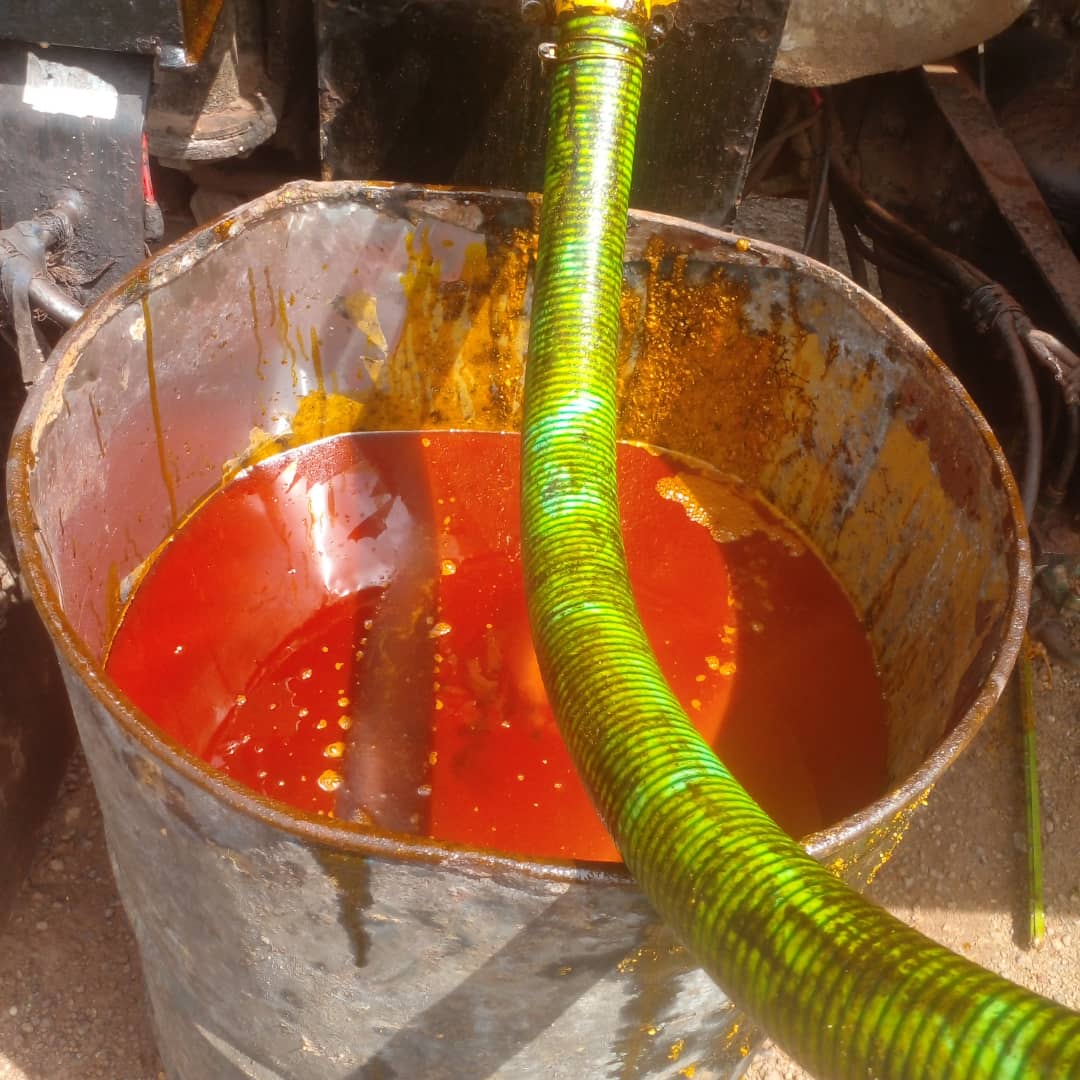



Future
help increase prosperity in Africa
Africa Sustainable


Respect for the
environment
people workers and negation of children workers
Future
help increase prosperity in Africa
Africa Sustainable
Respect for the
environment
people workers and negation of children workers
GES-AGRO SA
GES-AGRO SA expresses a strong commitment to foreign trade based on the respect of the world food heritage, of raw materials, as an irreplaceable resource of the community and conceived as an accessible and usable medium for all the social and economic development opportunities that it generates.
The concept of internationalization on a par with FOREIGN TRADE was therefore affirmed on the following topics:
- trade contributes significantly to social cohesion and sustainable economic development
- all citizens must have access to their own well-being while respecting their own limits and the environment in which they find themselves
- the specific needs of the less represented categories must be duly taken into consideration
- an environment that grows hand in hand in every part of the world taking into account the previous situations facilitates the inclusion, the integration of people
- the mercantile and cultural exchange helps to pursue individual well-being even in certain pathologies
Established in ABIDJAN – IVORY COAST on September 27 th 2018, has as its core business management foodstuffs of commercial ships, and maritime freight transport service and
to end the marketing of commodities such as sugar, coffee, rice, flours and as for core business the vegetable oils for food application and biofuels uses.
We were and are till now the first Ivorian company certified ISCC EU.
OUR GOALS
- ECONOMIC DEVELOPMENT AND INCLUSIVE AGRICULTURE
- Production vegetabile oils in joint with small/medium farmers second respect of ISCC rules, through grown of rural areas increasing and development healthy, - economic and instruction of citizens
-
Integrating smallholder farmers into certified supply chains ensures equitable access to global markets and greater financial stability
-
Increased Income: ISCC certification facilitates exports to regulated markets, such as Europe, where demand for sustainable products is high.
-
Improved Yields: By adopting regenerative agriculture practices promoted by ISCC, smallholders can improve soil fertility, resulting in more abundant and climate-resilient harvests.
-
Reduced Costs: Optimizing the use of chemical fertilizers and pesticides, as required by the ISCC principles, reduces operating expenses and dependence on external inputs.
Health and Environmental Protection -
Compliance with ISCC rules directly impacts the health of citizens and the quality of life in rural areas:
Healthy Agricultural Practices: The ISCC imposes strict criteria for the safe management of chemicals, protecting farmers' health and preventing groundwater pollution.
Biodiversity Protection: The ban on converting lands with high biodiversity value or high carbon stocks ensures the conservation of natural ecosystems, which are essential to the well-being of local communities.
Food Security: Programs such as the Food Security Standard (FSS) can be integrated to ensure that the development of oilseed crops does not compromise the right to food at the local level.
Education and Citizen Awareness
The transition to certified production models is acting as a catalyst for rural education:
Technical Training: The certification process requires farmers to receive specific training on advanced cultivation techniques, emissions monitoring, and business management.
Consumer Awareness: Transparent traceability systems educate citizens about the impact of their consumption, promoting healthier and more responsible choices.
Social Growth: Rural industrialization linked to oil processing creates new employment opportunities that encourage education and reduce rurals problems. -
B. RESEARCH NEW PLANTS FOR BIOFUELS APPLICATION AND REDUCING FOOD WASTE
-
Current research (2024-2030) is focusing on "advanced" or second- and third-generation biofuels to resolve the conflict between energy production and food security. The goal is to use plants that grow on non-arable land or to transform waste from the agri-food chain into energy resources.
-
New Plant Frontiers for Biofuels
The most promising species are those that require few resources and do not compete with food crops:
Arid and Desert Plants: Recent research highlights the potential of drought-tolerant plants that can thrive in extreme conditions, offering a path to large-scale biofuel production without diverting water from primary crops.
Camelina and Jatropha: These non-food oilseed plants can be grown on marginal or degraded lands. Studies in 2024 are using genome editing techniques (CRISPR/Cas) to increase their oil yield and resistance to environmental stress.
Arundo donax (common reed) and Miscanthus: Perennial grasses with high lignocellulosic yields that require little maintenance and can be converted into advanced bioethanol.
Agrifistock Crops: Plant as for Canapa or residue as for Barn rice oil grown in humidity area or Plants such as castor bean grown in desert areas to regenerate soil and provide oil for the production of HVO (Hydrotreated Vegetable Oil) and Biojet for aviation.
Reducing Food Waste (Energy Upcycling)
The fight against food waste is being integrated with energy production through the recovery of residual biomass:
Bread Waste: Developed processes to transform bread waste directly into sustainable fuel, combining energy transition and the fight against waste.
Fruit Peels and Residues: Residues such as apple and pomegranate peels are being studied not only for the extraction of bioactive compounds but also as feedstock for bioethanol through fermentation.
Waste Frying Oils: Already used for the production of biodiesel and HVO, they remain a cornerstone of the urban circular economy to reduce the environmental impact of waste.
Agricultural By-Products (Lignocellulose): The use of straw, corn stalks, and sugarcane residues (bagasse) allows the production of biofuels without using the grain or the edible part of the plant.
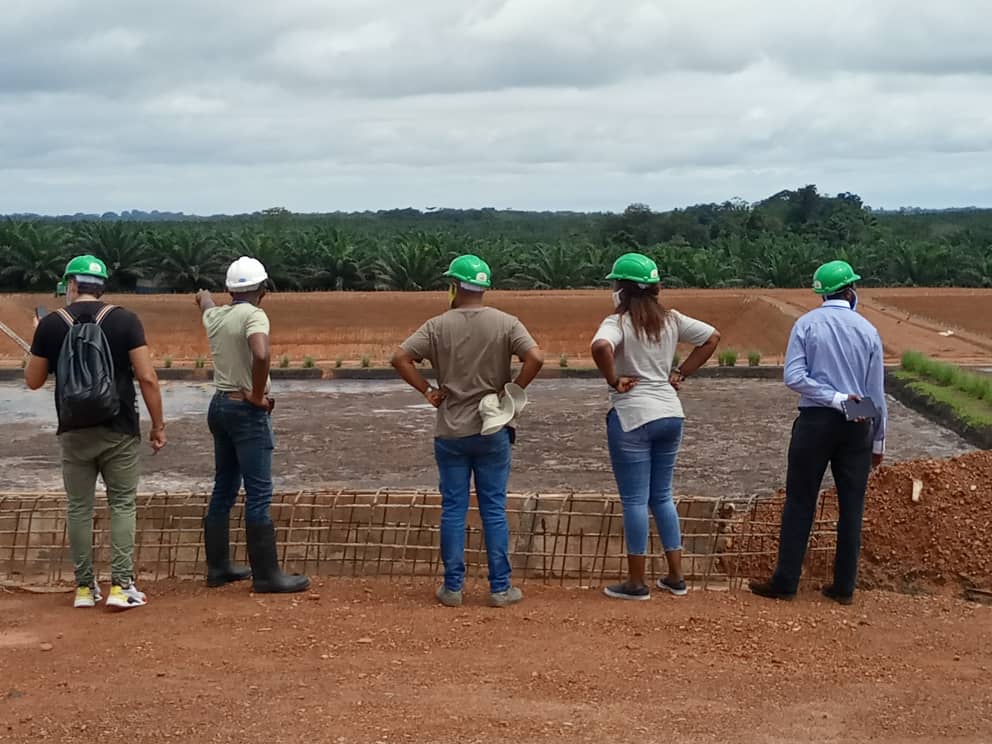
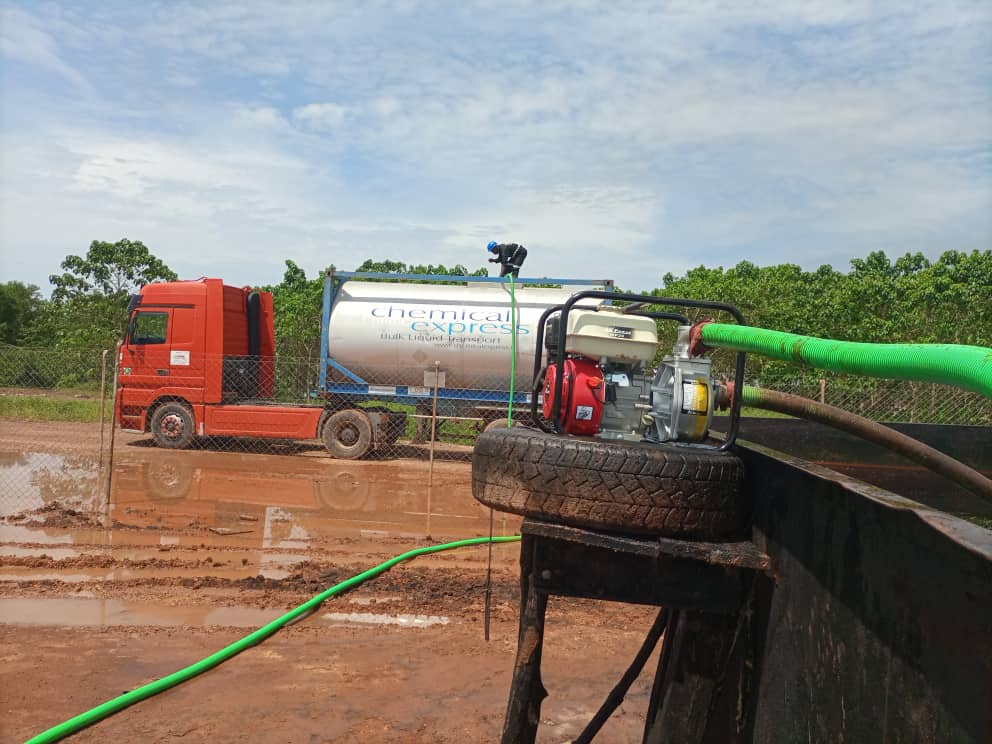
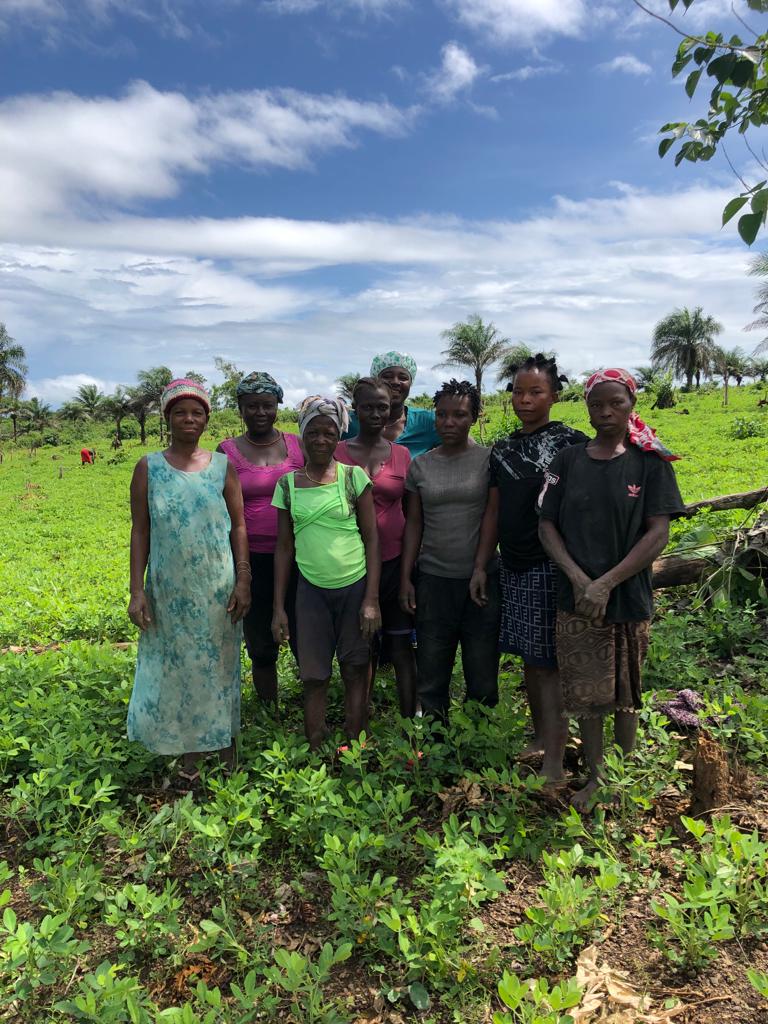
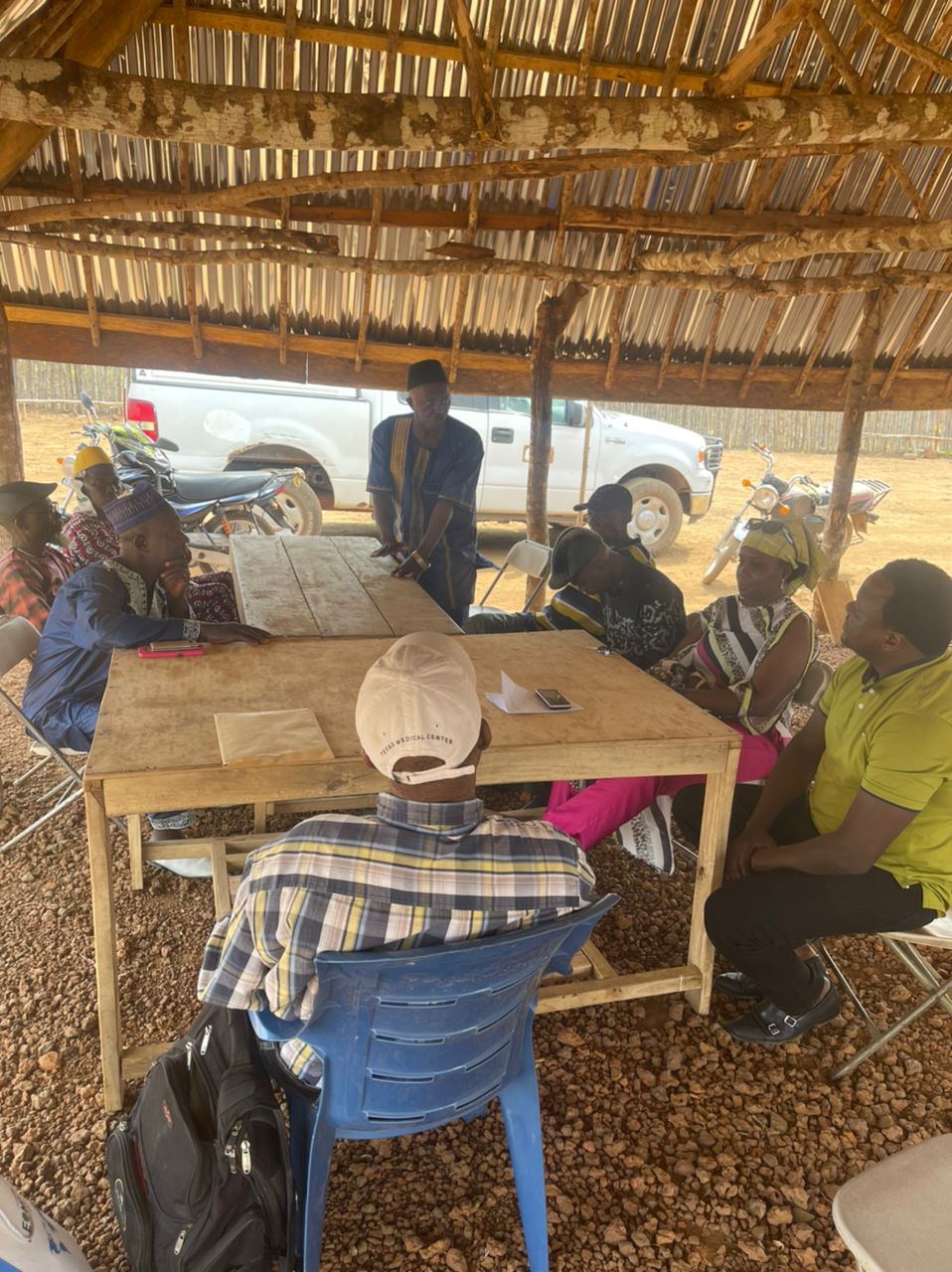
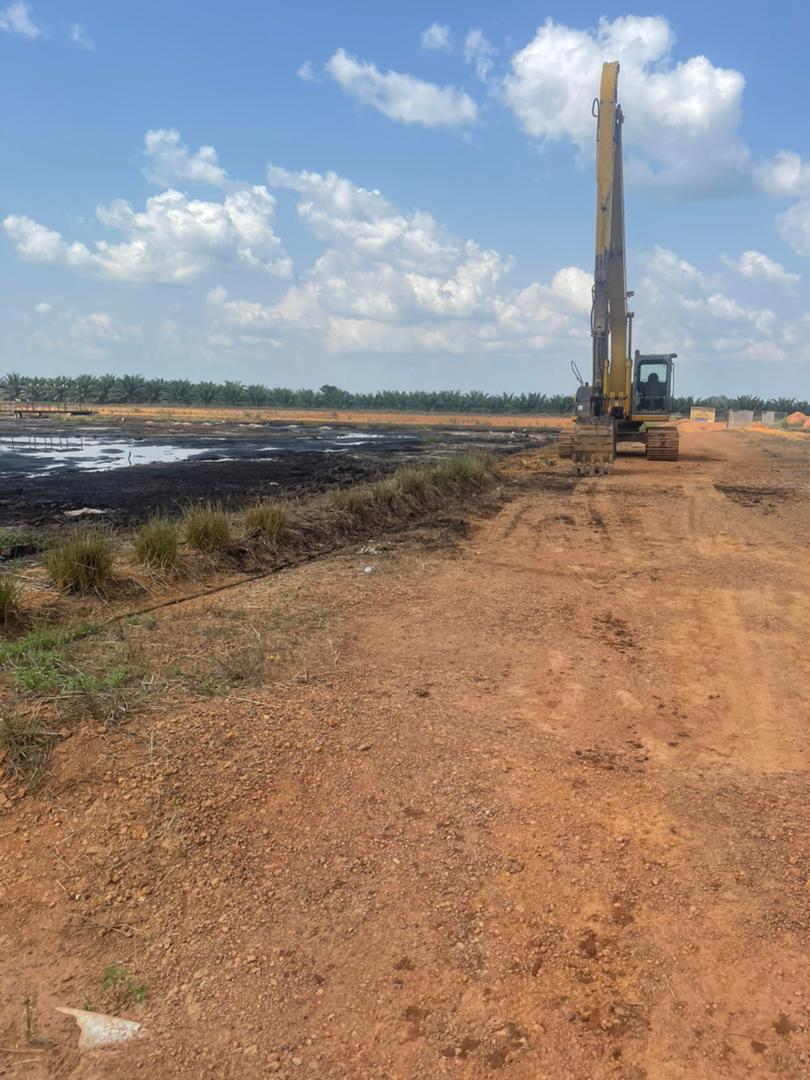
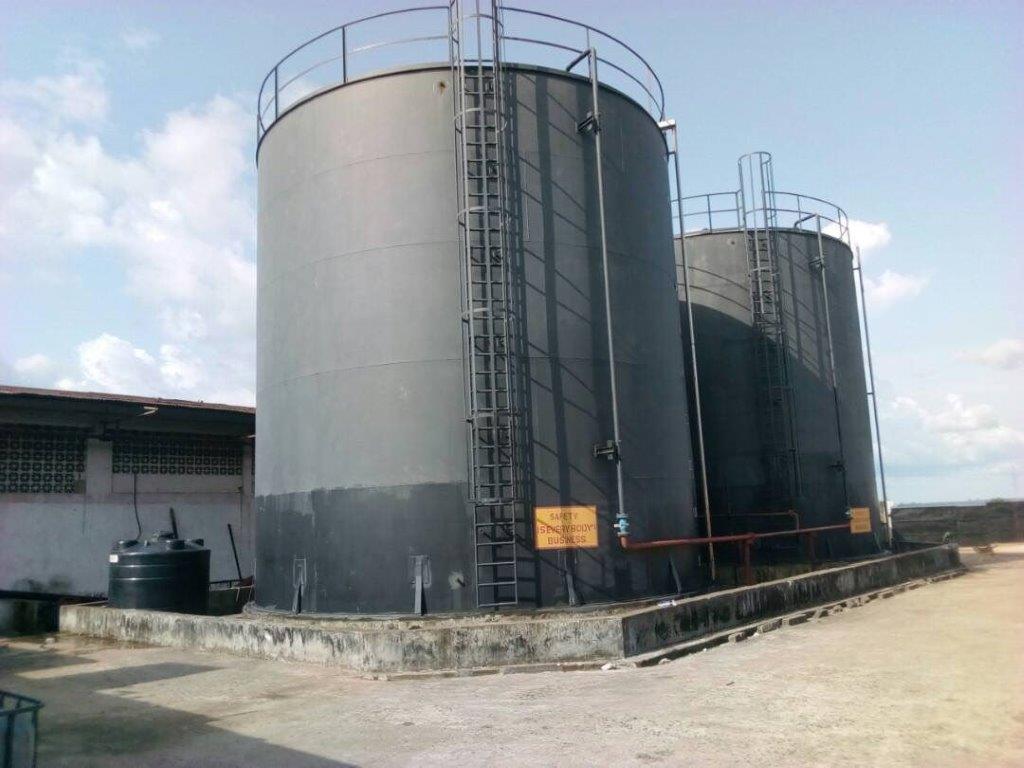
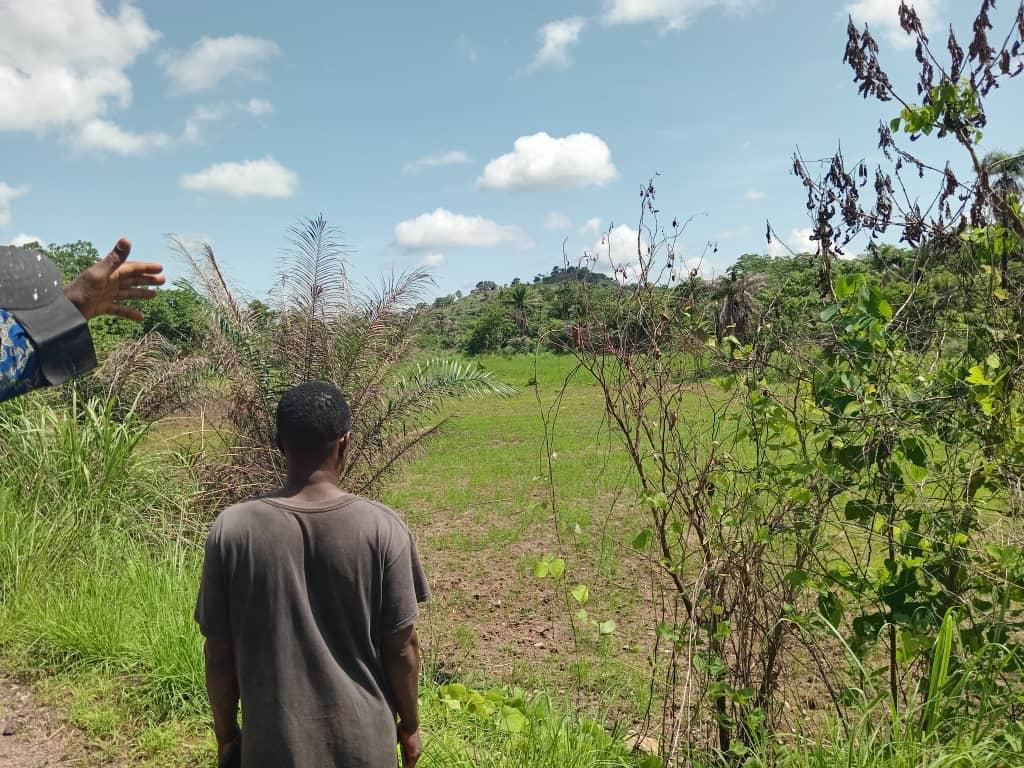
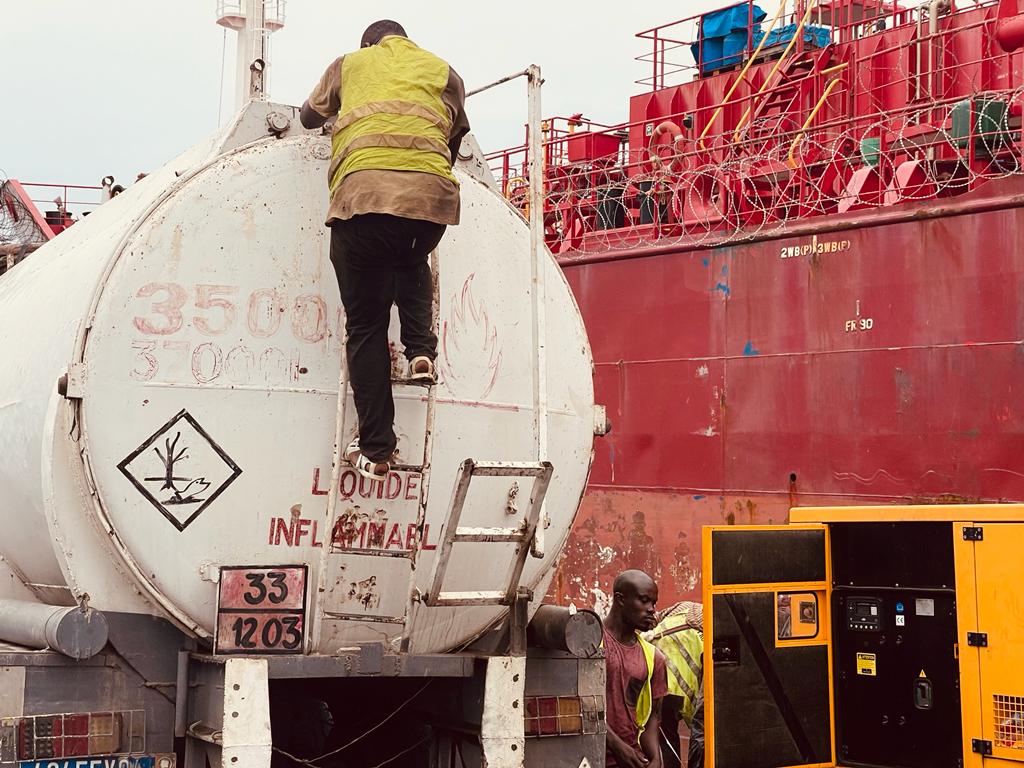
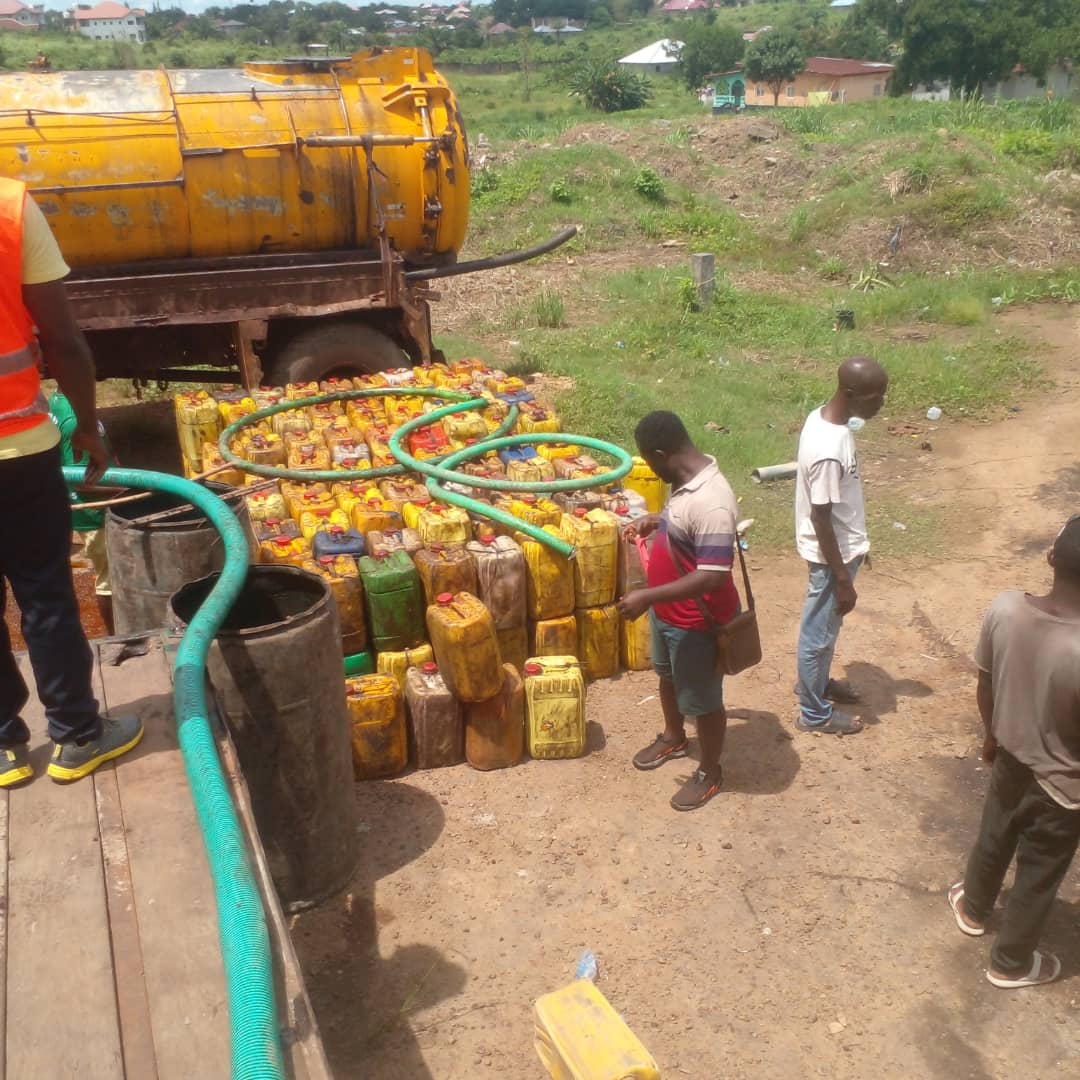
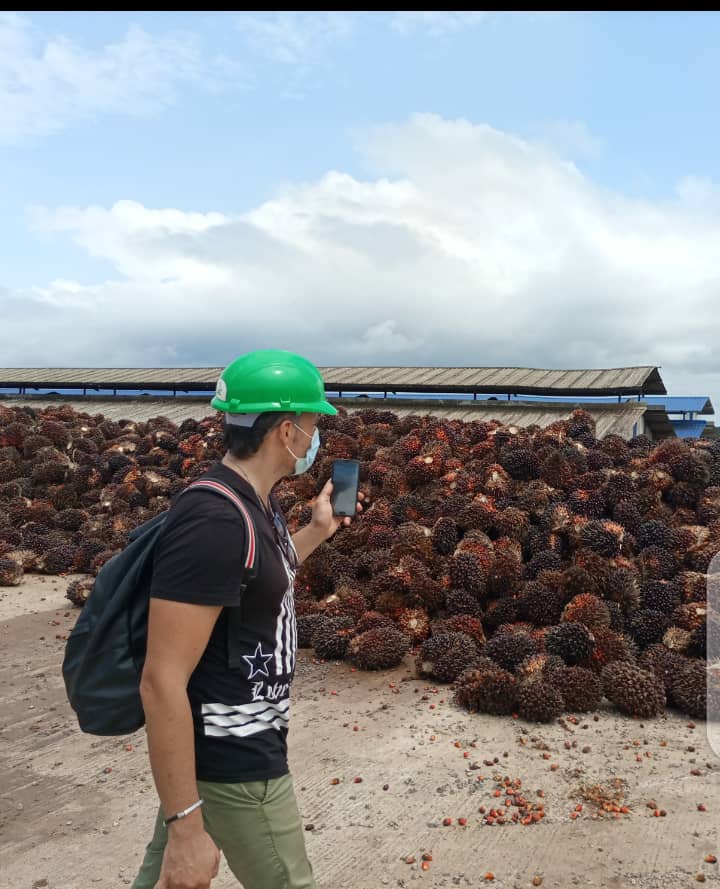
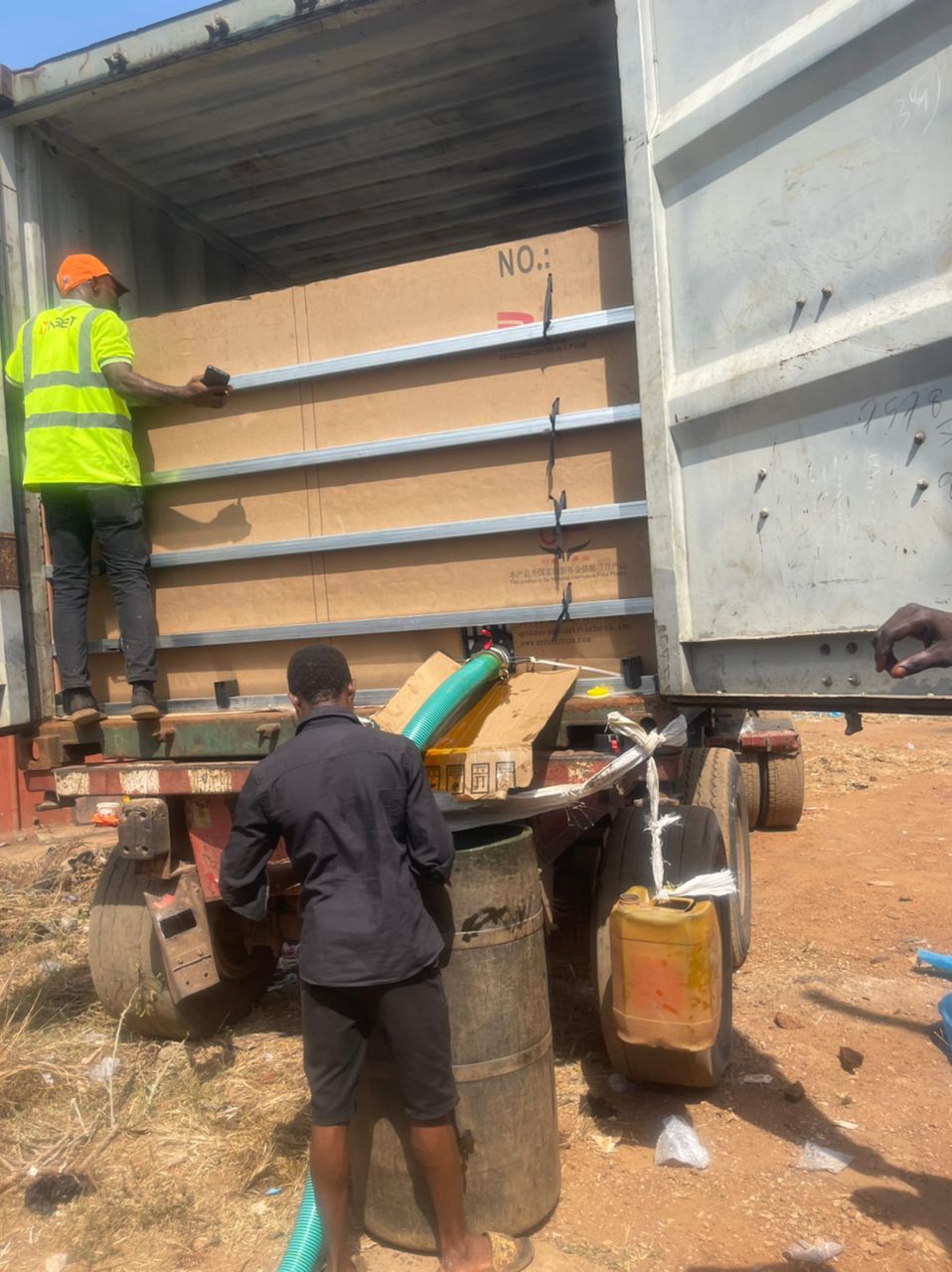

We, GES-AGRO SA, can boast a great experience in the sector based on international experiences of partnership in the field of maritime transport, naval supplies and joint ventures in the implementation of thanks to the know-how and commercial opportunities that we have as an important turning point for our activity.
A brief history for country origin of VEG OILS PRODUCTS available for biofuels application like
B100 - HVO and SAF
IVORY COAST/SIERRA LEON : as for the producer/collecting point like - TECHNICAL CRUDE PALM OIL - PALM FATTY ACID OILS - CASHNUTS SHELL LIQUID - WASTE COTTON SEED OIL - CASTOR OIL - HEVEA OIL .
INDIA : as for producer of BARN RICE OIL CRUDE AND DEWAX - CASTOR OIL
CHINA : as for trader/collecting point for USED COOKING OIL - FOOD WASTE OIL
A brief history for country origin of REFINED PRODUCTS available for engine consumption
INDIA : as for trader - B100 - UCOME
CHINA : as for trader HPTO - HVO

Our Mission

-
GREEN VIEW NOW
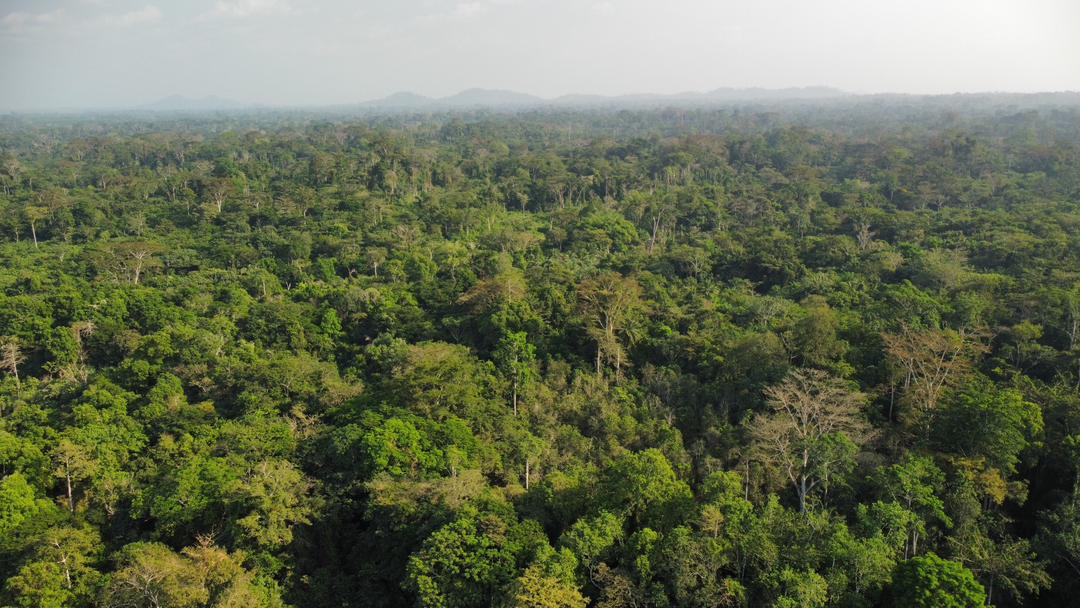
The environment constitutes a privileged place for the promotion, recovery and growth of the individual and in particular of the younger generations, facilitating the introduction of positive behavioral models, socialization, recruitment and the exercise of individual responsibility. We are proud to envolve a lot young people and womans in our sites focalize to create safety, health and growth in countries with enormous potentiality unexpressed, building new Green carbon project are example to follow these targets.
-
DYNAMIC ECOLOGY
Build a better world, you can simply engage together and let all that is created by human culture persevere in one's life and not be compromised by the selfishness of the moment, this applies to regions that follow their own path of life with a very thin balance, the environment that surrounds them and acts as a shield, sustainable growth leads us to take the path of a new green agreement, renewable sources for everyday life through emissions less polluting for them. We create a smart and strong connection with rural villages, reducing pollution of land, creating lake for recovery of residue/waste of small farmer productions unity and at meantime supply them knowledge and know how for agricultural use and apply at their food indipendent sustanaibility.
-
FEEDSTOCKS BIOFUELS
Research and implementation of innovative solutions to expand the possibilities of use of the materials residues and wastes deriving from agricultural and industrial processing of the territory in respect of safeguarding them and environmental sustainability.
Through strong commercial relationship we built a conglomerate with view with companies actives on research and development of new waste/residue always prompt to hit the nail on the head of reduction carbon emission as for target of year 2030.